Service 06
Real estate sales system
A real estate sales system answers the quietest loss in property marketing: leads that were paid for, then died in a sales agent's notebook or an unanswered message. We build the machinery that receives every lead, routes it, and follows it to its final decision: a CRM configured for the property sales cycle, WhatsApp follow-up scripts, and a dashboard that shows you where buyers leak out of your funnel — in numbers, not impressions.
What problem does this service solve?
The developer spends on campaigns then hands their fruit to improvised execution: a lead arriving Thursday evening gets a reply on Sunday, another is called by two agents on the same day, a third — promising — is forgotten because their slip of paper vanished. Response speed is decisive in property: a serious buyer contacts three projects in one sitting, and the fastest reply takes the first visit and the decision advantage.
The second problem is blindness: a manager who doesn't know how many leads arrived this week, how many became visits, and where the rest stopped, is managing sales by vibe. And when good campaign leads mix with poor follow-up execution, the campaign gets blamed and the advertising gets rebuilt — while the real fault sits in the funnel, not the ads.
Third: follow-up stops far too early. A property purchase decision stretches over weeks, and most teams stop after two attempts — while the buyer is still comparing and consulting. Organised WhatsApp follow-up, at a respectful cadence rather than a chase, is what captures the week-four decisions everyone else abandons — we detailed the method in our WhatsApp-sells article.
And there's a hidden cost of systemlessness that appears in no report: the project's memory lives in agents' heads. An agent resigns and takes along their relationships, chat history and promises to customers; their successor starts from zero with buyers repeating their story a third time. The system makes sales memory a project asset rather than a personal one: every conversation, visit and promise recorded in its place, and any new agent continues where their predecessor stopped.
How we work
- 01
Diagnosing the current funnel
We trace today's lead journey from form to contract: where does it land? Who replies, and after how long? What gets recorded? The diagnosis exposes the leak points — and the first fixes are often simpler and cheaper than expected.
- 02
Configuring the CRM for the property cycle
We configure the system with real property sales stages — new lead, first contact, scheduled visit, negotiation, booking, contract — instead of generic sales templates. Every lead from every channel enters automatically, tagged with its source and requested unit.
- 03
Follow-up scripts
We write the complete WhatsApp journey: the instant welcome message, the week-by-week cadence, and phrasings for each situation — the hesitant, the discount-seeker, the one waiting for construction. Your team follows a written system, not individual improvisation.
- 04
The dashboard
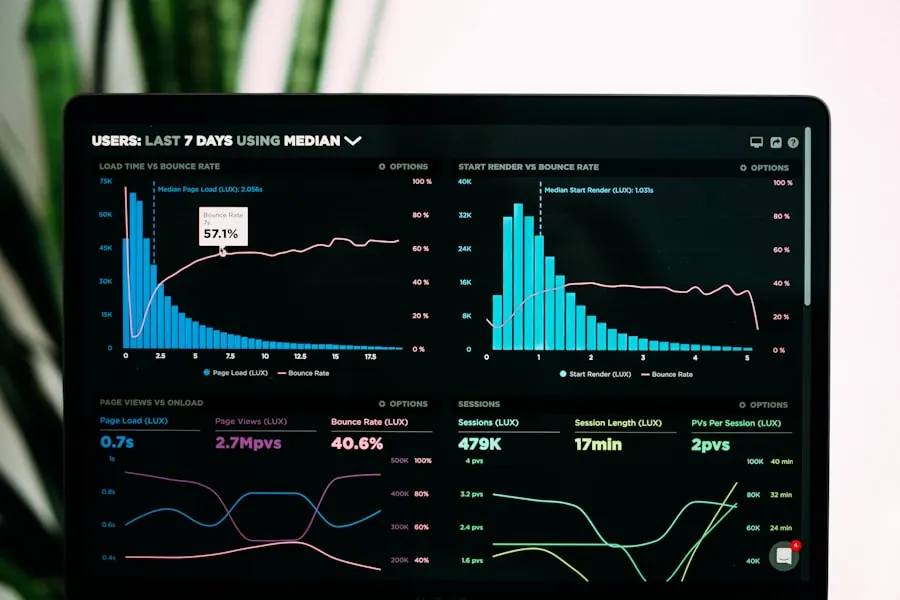
One screen joining campaign and sales: leads per channel, actual response speed, stage-to-stage conversion, and each agent's performance. Questions once answered by impression are now answered by a number in front of you.
- 05
Training and handover
We train your sales team on the system and scripts hands-on, and accompany the first weeks of live operation, tuning what needs tuning. A system succeeds when the team finds it easy to use — not when it's perfect on paper.
What you receive
A complete sales machine that runs after handover with no dependence on us — we build it, operate it with you, then hand over its keys documented, so our exit is never a hole in your system:
- A diagnosis report of the current funnel and its leak points
- A CRM configured with property sales stages, channels connected
- Written WhatsApp follow-up scripts for every situation
- A dashboard joining campaigns and sales in one screen
- Hands-on sales team training and first-weeks accompaniment
- An operations guide that remains a reference for every new agent
Common questions about sales systems
Which CRM do you use?
The one that fits your team's size and way of working — we don't force one platform on everyone. Our criterion is that agents actually use it: a simple system used daily beats a comprehensive one abandoned within a month. We shortlist options and build on your decision.
We already have a CRM — do we start over?
Usually not. We evaluate what exists first: many abandoned systems lack proper configuration and scripts, not replacement. If the system genuinely chokes the team, we say so plainly and present alternatives with their costs.
Do you run sales instead of our team?
No — selling belongs to your team; the system belongs to us. We build the tooling and scripts, enable your agents, then hand over completely. Our ongoing role, if you want it: periodic number reviews and script tuning as phases change.
How does the sales system relate to the ad campaigns?
Two organs of one heart: the campaign makes the lead, the system converts it. An excellent campaign with a leaking funnel is wasted; an airtight system with no leads starves. That's why we measure both on one dashboard — see the campaigns service.
Our team is small — is a system overkill?
The opposite: a small team needs the system more, because each lost lead weighs more on it proportionally. Two agents with a tight system cover what four achieve in chaos — and for a small team the setup is simpler, faster and cheaper. We design to your actual size, and the system grows when you do.
How long until the system runs fully?
The technical setup is faster than people assume — the first weeks are enough to run the core: channels connected, leads flowing in classified. The longer part is entrenching the habit in the team, which is why we accompany live operation and review adherence weekly until the system is the only way of working, not a burden on top of it.
Your next project deserves a launch worth remembering
Thirty free minutes that leave you with three clear opportunities to grow your sales — whether you work with us or not.
We take a limited number of projects at a time — the queue moves