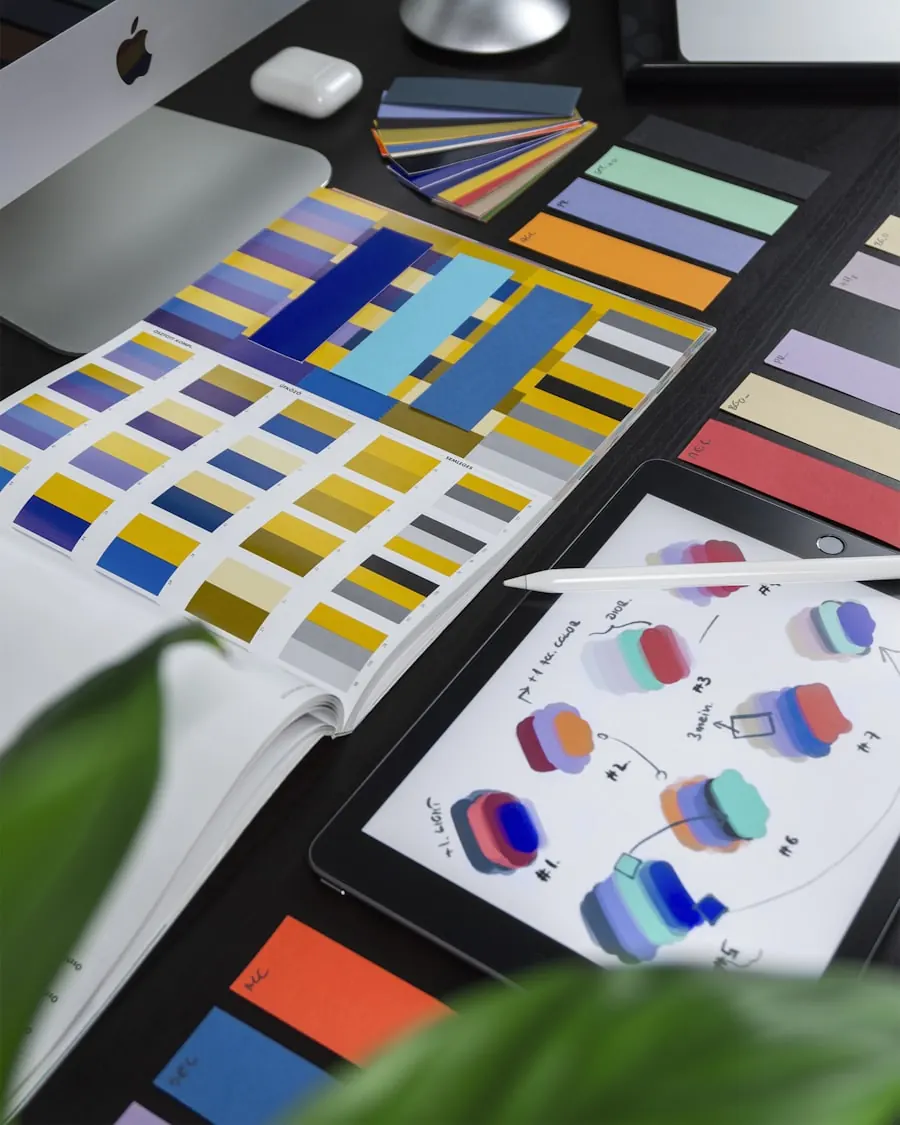
Service 01
Brand identity for real estate projects
A real estate project's brand identity is not a logo on the gate — it is the decision that shapes how your project's name is spoken in living rooms and how it looks in a buyer's mind before they ever visit. We build it from a study of competing projects in your catchment and your target buyer segment, then hand you a complete system — not a logo file — that your designer, contractor and sales agent all use the same way.
What problem does this service solve?
Most Saudi developments start marketing without an identity: a name chosen in a hurry, a logo bought at the lowest price, and colours that shift between the brochure, the hoarding and the project's social account. The buyer sees a hesitant project — and they are about to put their life savings into it, so visual hesitation reads as hesitation about quality itself.
The second problem runs deeper: a late identity costs you twice. A developer who starts campaigns and then rebuilds the brand pays to redesign every published piece, and loses the mental accumulation the first advertising built. That is why identity comes before the first advertising riyal — we laid out the full argument in our article, Identity Before Digging.
The third problem appears after launch: an identity without a usage guide falls apart within months. Every new designer improvises, every printer approximates the colours, until a year later the project speaks a collection of visual dialects instead of one language.
Finally, a weak identity weakens every riyal spent after it: a campaign that leads to mismatched accounts and a landing page with no personality converts worse than the same campaign on top of a coherent brand — same budget. Identity is not a cosmetic line item; it is an efficiency multiplier for everything above it. Improve it once, and everything improves.
How we work
- 01
The positioning session
Before any design: who is the buyer? What genuinely distinguishes the project's location, finishes and price point? Which projects compete in the same catchment? The output is a one-page positioning document you sign off before we move.
- 02
Name and verbal language
We propose names that carry easily in the Saudi market, check domain and social handle availability along with cultural fit, then build the verbal language around the chosen name: wordmark, tagline and tone of voice.
- 03
The visual system
The logo in all its versions, a colour palette with print and screen codes, Arabic and Latin typefaces, and an image language — one system that works on a ten-metre roadside board and on a phone screen two fingers wide.
- 04
Real-estate applications
We design the applications a development actually needs: site and hoarding boards, unit guides, the sales kit, social templates and proposal stationery — not generic templates imported from another industry.
- 05
Brand guidelines and handover
A usage guide that settles every future question: safe areas, misuse examples, colour combinations, applied samples. Any designer who receives it produces work that looks like the project itself.
- 06
Post-handover accompaniment
We don't close the file at delivery: we review the identity's first real-world applications — the first board, first campaign, the project account — and adjust what needs adjusting. An identity is tested in the street, not on a presentation screen.
What you receive
One complete handover with open files — not previews you must come back and pay to unlock. Everything you or any future designer needs, organised in a folder structure where the right file is found on the first try:
- Project positioning and buyer-segment document
- The name, with domain and handle availability checked
- The logo in all versions with open source files
- Colour palette and typefaces with print and screen codes
- Image language: a reference for photography direction and treatment
- Ready applications: site boards, sales kit, social templates
- A complete brand guideline as a shareable PDF
Common questions about project identities
When is the right time to build the project's identity?
Before the first published marketing piece — ideally before digging. An early identity unifies everything produced after it; a late one means redesigning everything already published and paying its cost twice.
Do you design the developer's brand or just the project's?
Both. The developer's brand is a long-lived asset serving every future project; the project's identity serves sales within its own timeline. We build them so neither cancels the other: the project stands on its own personality while leaning on the developer's credibility.
How long does a complete project identity take?
It depends on scope: a name, logo and core system is different from a full programme with applications and guidelines. After the positioning session we give you a detailed stage-by-stage timeline before any commitment.
We already have a logo — do we start from scratch?
Not necessarily. We evaluate what you have first: sometimes tightening the system around the existing logo and building the missing guide is enough; sometimes rebuilding is cheaper than endless patching. We tell you our honest view before you pay.
How is a project identity different from any company's?
A project identity lives a different life cycle: born before construction, selling something that doesn't exist yet, spread across media companies never face — a site hoarding, a tower board, a unit guide. So it is built from day one to survive those media: colours that hold in midday sun, type legible from a moving car.
Does the identity cover the project website and social accounts?
The guideline covers them as design: account templates with covers and a post grid, and web direction with colours, type and visual components. Building the site itself and running the accounts are separate services built on top of the guide — by the same team, so nothing is lost in translation between two agencies.
Your next project deserves a launch worth remembering
Thirty free minutes that leave you with three clear opportunities to grow your sales — whether you work with us or not.
We take a limited number of projects at a time — the queue moves