When a developer calls saying "the ads aren't working", we ask for one thing before any meeting: access to the ad account and the lead log for the past ninety days. The numbers always tell the real story — and it's usually one of five.
1 — The campaign sells a project, not a life
Most struggling property ads talk about themselves: floor counts, plot size, delivery year. But a villa buyer isn't buying concrete — they're buying a quiet morning, a school nearby, a majlis worthy of their guests. An ad that opens with specifications addresses the mind before winning the heart, and the mind alone never books a viewing.
2 — Targeting buys the property-curious, not buyers
The platforms' "real estate interest" audience includes renters, browsers and price-watchers. Winning campaigns build audiences from signals of seriousness: visited the pricing page, downloaded the floor plans, watched 75% of the walkthrough. In our accounts, the difference in cost per qualified lead between those audiences exceeds 2x.
3 — The click lands on a page that doesn't deserve it
A great ad leading to an Instagram profile or a generic corporate site is like inviting a guest to a fine dinner and receiving them in the warehouse. Every campaign needs its own landing page: the ad's exact message, one offer, one form. In our tests, a dedicated landing page lifts conversion 2–3x over the general site.
4 — Nobody answers in the critical window
The harshest number we show clients: the share of enquiries unanswered within an hour. A buyer who messaged three projects books a viewing with whoever replied first — not because the project is better, but because a fast reply reads as trust and professionalism. A campaign without a reply system is a budget buying leads for your faster competitor.
5 — Measurement stops at the click
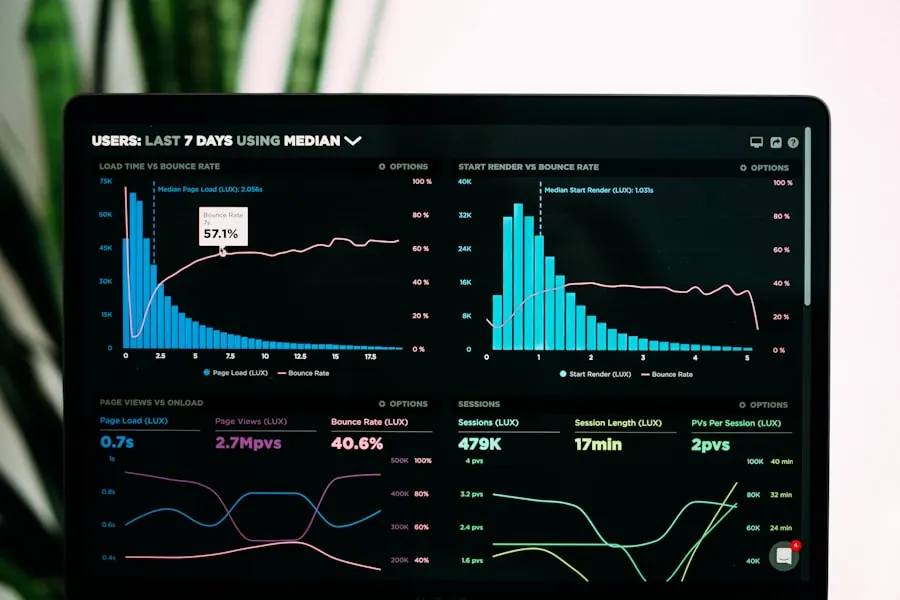
Platforms show you clicks and views because that's what they sell. Your decision needs the full chain: click → enquiry → qualified → viewing → booking. Without connecting ads to the sales system, you'll pause the campaign that books units and double the one that buys cheap clicks — we've watched it happen.
«A failing campaign is rarely a bad idea — it's usually an orphaned one: no page to receive it, no system to answer it, no measurement to correct it.»