Launch momentum is a currency that doesn't get printed twice. A project that opens strong sells its first months on the opening's push — one that sneaks into the market spends its first year explaining that it exists. This is the map we walk:
Weeks 1–4: the silent foundation
- Final positioning and messaging approved — everything after is built on them
- Asset production: CGI, launch film, print, website
- Technical infrastructure: landing pages, CRM, conversion tracking
- The broker and decision-maker list — built now, not on opening night
Weeks 5–6: the tease
Fourteen days without a name: billboards and ads carrying only the idea and the date. The goal isn't selling but questioning — making majlis conversations ask "what is this coming project?". A successful tease turns the reveal into an event the market awaits, not an ad it scrolls past.
Week 7: the synchronised reveal
Name, identity, website, film — all appear within one hour across every channel. Synchronisation isn't luxury: a staggered reveal dissipates surprise, and the market grants its full attention exactly once.
Week 8: the gallery opening
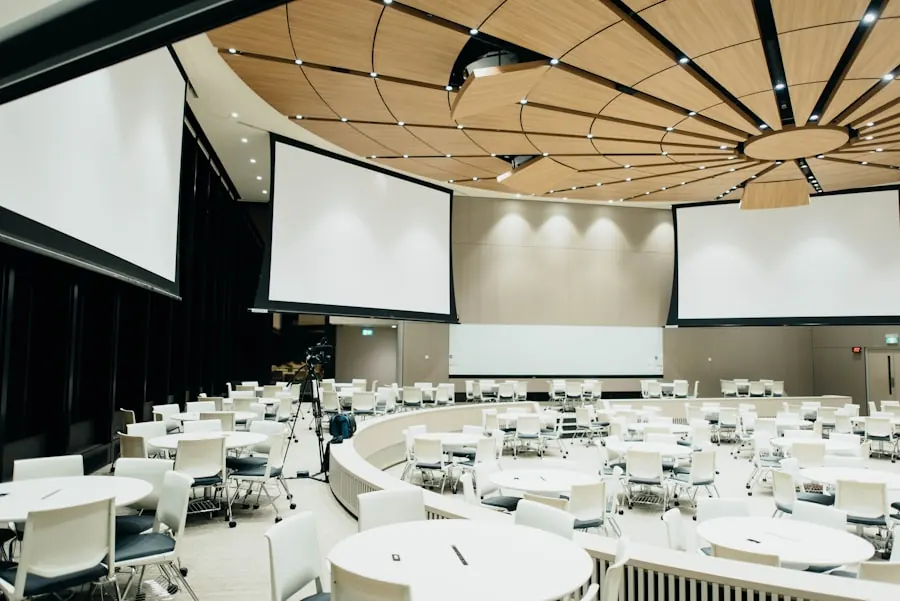
The event is a sales tool, not a party: a curated guest list (active brokers, qualified buyers from the tease), a sales team drilled on the day's scripts, and a limited-time opening offer giving a reason to book today, not later.
Weeks 9–13: turning momentum into a system
After the opening the real test begins: always-on performance campaigns feeding on launch assets, daily follow-up of the event list, and a weekly report tuning budget on cost per qualified lead. Momentum not caught by a system evaporates within two weeks.
«On Noura Towns 45, 200 guests attended the opening and a third of the total bookings closed that week alone. Momentum is built before the day, not on it.»